Key facts
- Rules for sealing unused wells are set by states, and the Minnesota Department of Health publishes its own as an example.Minnesota Dept. of Health: Well Sealing
- NGWA says a water well professional you hire should be licensed or certified.NGWA: WellOwner.org
- The EPA does not regulate private wells, so the owner is responsible for keeping the water safe.EPA: Private Drinking Water Wells
What counts as an abandoned well
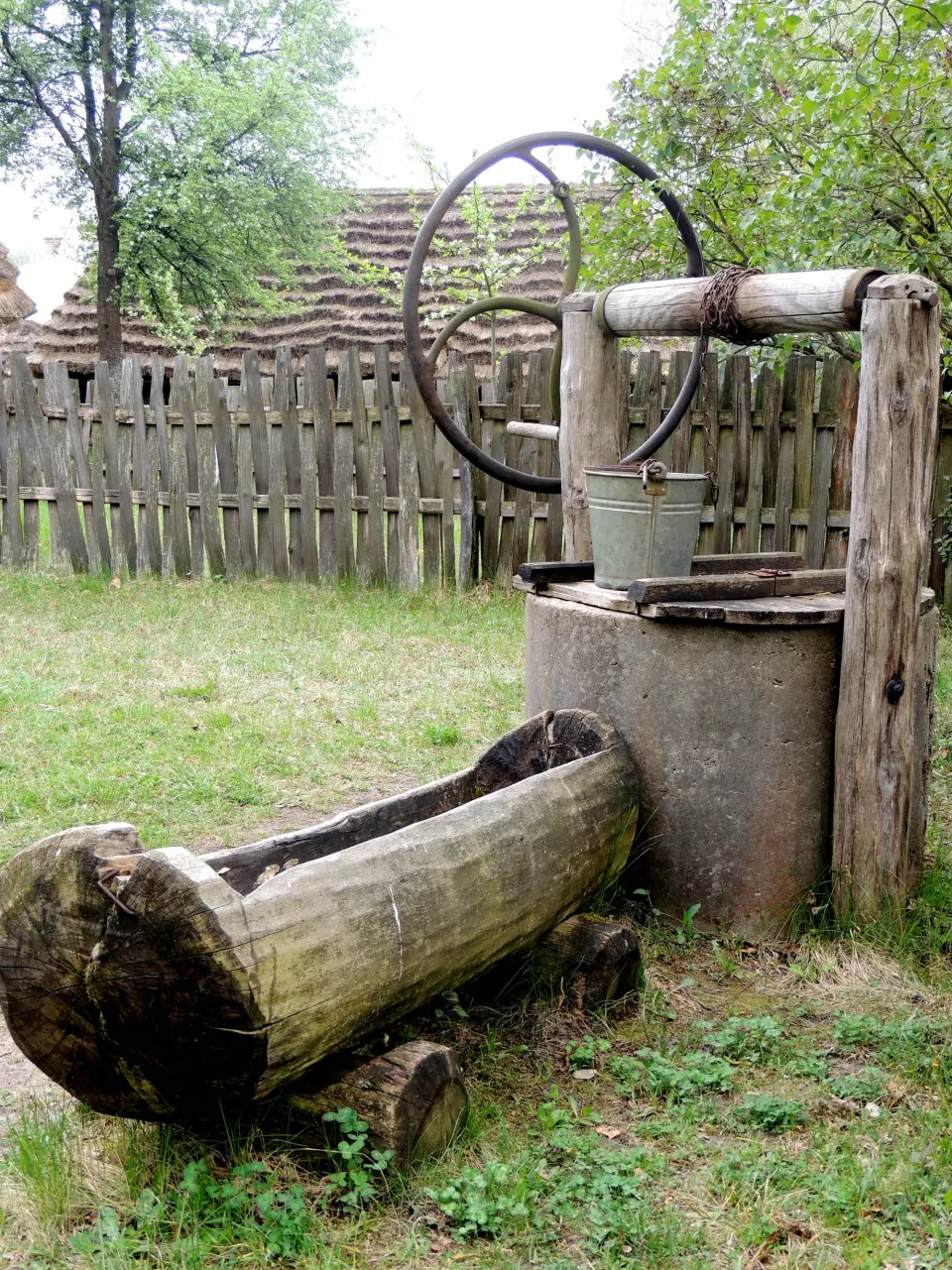
A well is abandoned when it is no longer in service and no one plans to use it again. That includes wells replaced by a new one, wells on land where a house was taken down, dry wells that were never fixed, and old hand-dug wells covered with boards or a slab. Even a well you haven't used for years is still a hole into the aquifer.
Rules on what counts as unused vary by state. Some set a time limit after which an unused well must be sealed. Ask your state or county health department, and see the state pages on this site for where rules are published.
Why old wells are a problem
- Groundwater contamination. An open or poorly capped well gives surface water, fertilizer, fuel, sewage and pesticides a direct path to the aquifer. That can affect your well and your neighbors' wells.
- Safety. Open hand-dug wells and wide casings are a fall hazard for children, pets and livestock. Covers rot and collapse without warning.
- Hidden risk. Overgrown or buried wells are easy to miss, so people step or drive onto them.
- Mixing aquifers. A deep well can connect water layers that were meant to stay separate.
What well sealing is
Sealing, sometimes called plugging or decommissioning, means filling the well so water can't travel through it. A typical job removes the pump, pipes and anything else inside, cleans and inspects the hole, and fills it with approved material such as cement or bentonite grout. Details depend on the well type, depth and your state's rules.
Dug wells are handled differently from drilled wells. Many need the lining and debris removed or collapsed, then are filled in layers and capped at the top. Because the details are strict and the hole can be dangerous, it should be done by a licensed contractor in most states.
| Well type | Typical approach | Notes |
|---|---|---|
| Drilled well | Remove pump and pipe, fill with grout from the bottom up, cut off casing below ground | Needs equipment to place grout properly |
| Dug well | Remove cover, clean out, fill with approved material and cap | Dangerous to work in, never enter alone |
| Driven well | Pull or cut pipe, fill and seal | Often simpler, still needs rules followed |
| Well that was never finished | Seal as found | Still counts as a well |
Who can seal a well
Many states require a licensed well contractor, or allow owners to seal a dug well themselves under certain conditions. A permit may be needed, and a report is often filed with the state. Ask before you start. NGWA advises hiring a licensed or certified professional for well work.
How to find old wells on your land
- Look at old maps, deeds, surveys and aerial photos.
- Check the well records for your parcel, which many states publish online.
- Walk the property looking for pipes, concrete or stone circles, depressions or odd mounds.
- Ask neighbors and previous owners.
- Hire a contractor or a locator if you buy land that had a farm or older home.
If you find one, record its position and photograph it. Then call your county or state health department for steps.
After sealing
Keep the contractor's report and the permit with your records. A sealed well is a good thing to be able to show when you sell. If you have a working well nearby, test it for coliform bacteria and nitrate at least once a year, and again after any nearby well work.
Common situations
You bought a farm or old homestead. Old farms often have more than one well, plus cisterns, cesspools and hand-dug holes. Ask for a site survey and look at old aerial photos. Have a licensed contractor look for features you can't see.
You drilled a new well and the old one is still there. The old well should be sealed, not just left capped. Ask your driller to include sealing in the job, and ask for the report.
You found a pipe sticking out of the ground. It might be an old well, a monitoring well, a vent or a septic part. Don't assume. Photograph it, mark it and ask your health department or a contractor.
You are selling or buying. Lenders and inspectors may ask about unused wells. A recorded sealing report shows the problem was handled properly.
Temporary protection until it's sealed
If you can't seal the well right away, make it safe. Cover it with a heavy, secure cover that a child can't lift, such as a bolted steel plate, and fence the area if animals or children are around. Don't pile soil or debris into it, because that can contaminate the well and may make proper sealing harder. A temporary cover is not a substitute for sealing.
Costs, grants and help
Costs depend on depth, well type, access and local rules, so we don't give a number. Get quotes from licensed contractors. Some states and counties offer cost-share or grant programs for sealing old wells, especially on farms. Check with your state agency or local conservation district. Programs change often, so ask for the current terms.
Because rules differ, always ask first. Call your state or county well program, describe what you found and ask what is required, who may do the work and whether a report must be filed. A sealed well on record protects your water, your neighbors and your property value.
Questions people ask
What does it mean to seal a well?
It means filling the well with approved materials such as cement or bentonite so water and contaminants can't travel through it. It is also called decommissioning or plugging.
Do I have to seal an old well?
Many states require unused wells to be sealed. Rules vary, so ask your state or county health department.
Can I seal an old well myself?
Some states allow owners to fill dug wells under conditions. Many require a licensed contractor. Don't enter the well, and ask your health department first.
How do I find an old well on my property?
Check old maps and aerial photos, state well records, and look for pipes, circles of stone or concrete, and sunken ground. A contractor can help.
Sources
This page explains general practice for US private wells. Check your state's rules on the state pages, use a certified lab for testing, and hire a licensed well contractor for electrical or well work. See our editorial policy.
Still not sure what to do?
Ask us about your situation. A real person reads every question.
Thanks, we have your question.
We read every message and reply by email, usually within a few working days. If it is urgent (sickness, a positive E. coli test, or a flooded well), use bottled water and call your county or state health department now.