Key facts
- Tank pre-charge is usually set about 2 psi below the pump cut-in pressure, with the tank empty of water.NGWA: WellOwner.org
- Common well pressure switch settings are 30/50 psi and 40/60 psi.NGWA: WellOwner.org
- Private wells are not regulated by the EPA, so the owner is responsible for the well and its water.EPA: Private Drinking Water Wells
What too small means
A tank is too small when the usable water between pump start and stop is too little for the pump flow. Each cycle is short. The pump starts, fills the tank in a moment and stops, then repeats whenever you use water.
Tank labels show total volume, but drawdown is what counts. Our sizing page explains the difference.
Symptoms
- The pump starts every few seconds while you run a tap or shower.
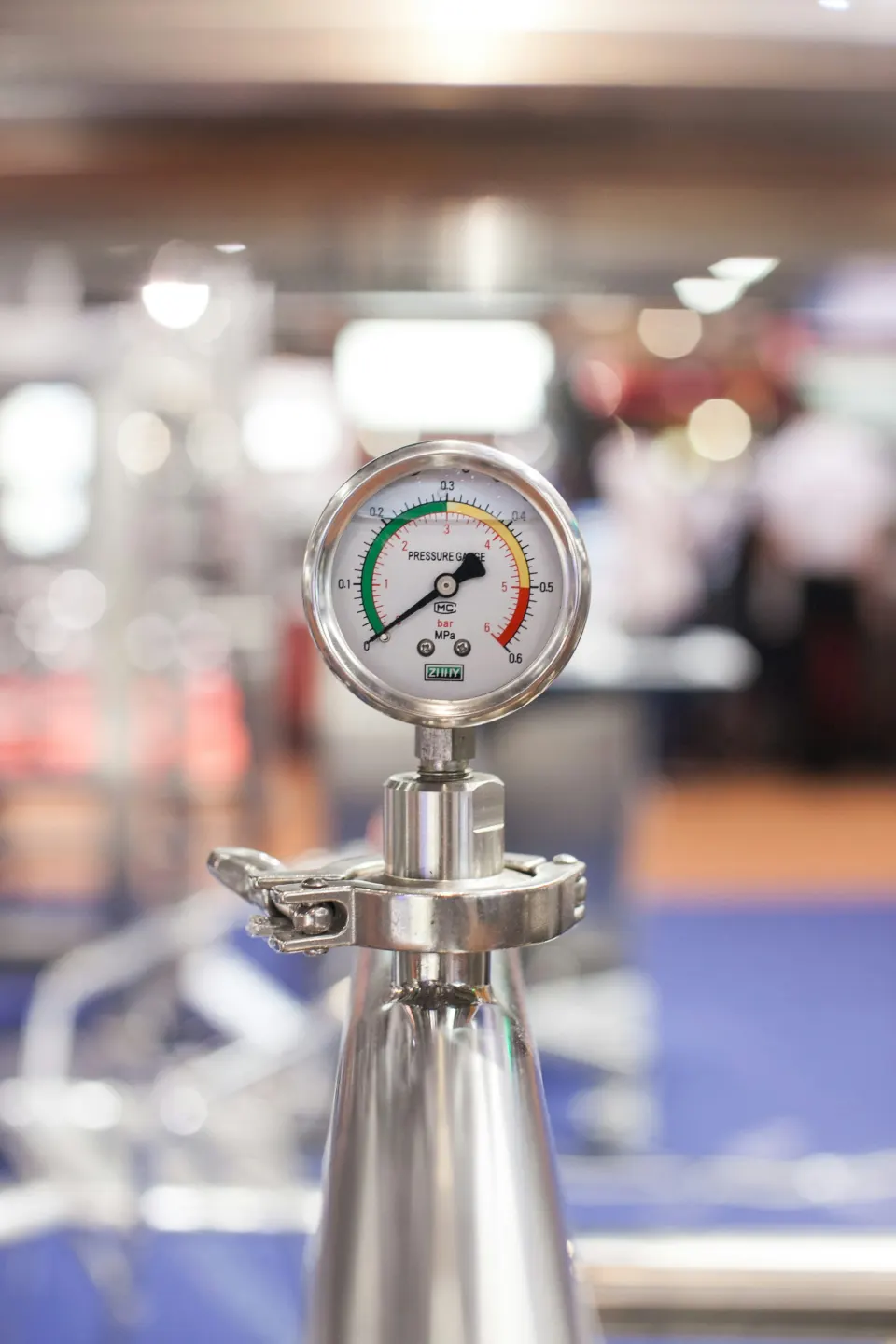
- Pressure rises and falls quickly on the gauge.
- Lights dim or flicker each time the pump starts.
- The pump motor or the pipes near it feel hot.
- Pressure switch contacts look pitted or burned.
- The cycles are short even when the tank air pressure is right.
Many of these also appear with a waterlogged or low-charge tank, so rule that out first.
Rule out the cheap causes
| Check | What to look for |
|---|---|
| Pre-charge | About 2 psi below cut-in, tank empty |
| Bladder | No water at the valve pin |
| Switch setting | Cut-in and cut-out match the label |
| Leaks | Pressure holds with all taps closed |
| Check valve | No slow pressure loss with taps closed |
| Pressure port | Clear of sediment |
Confirm it is the size
- Fix the airSet the pre-charge correctly and refill.
- Run a steady drawOpen one tap or a hose and watch how long the pump runs each cycle.
- Find your pump flowCheck the pump manual or ask a contractor.
- Find the tank drawdownUse the maker's table for your switch setting.
- CompareDrawdown divided by pump flow gives run time per cycle. Compare it with the minimum run time in the pump manual.
- DecideIf run time is below the pump maker's minimum, you need more drawdown.
Fixes
| Option | Notes |
|---|---|
| Replace with a larger tank | Check space, ports and the pressure rating |
| Add a second tank | Plumb it in parallel; see our two tanks page |
| Widen the switch gap | May help, within equipment ratings |
| Constant pressure system | Different design that avoids cycling |
| Reduce the pump flow | A contractor may suggest this in some cases |
Is a bigger tank always the answer
A larger tank reduces cycling, but it does not cure a leak, a failing check valve or a bad switch. It also adds cost and needs space. Check the cause before you buy, and use the tank sizer to find the drawdown you need.
Planning for growth
If you add bathrooms, irrigation or a bigger pump, the old tank may become too small. Recheck sizing after any change in use or equipment. A short note in your well log about the date and reason helps future owners.
What a short cycle does inside the pump
A submersible pump motor draws a surge of current at start. That surge heats the windings, and a motor needs time to cool while it runs. When cycles are very short, heat builds faster than it leaves. Pump makers often give a minimum run time per start for this reason, and the figure is in the pump manual or on the maker's data sheet.
The pressure switch suffers too. Each start closes the contacts under load, and each stop opens them under load. Many starts mean many small sparks, and the contacts pit and burn. The pit marks you see inside a worn switch are a record of how often the pump cycled.
How your own habits can reveal it
- A single toilet flush starts the pump and it stops before the tank refills.
- Washing hands brings on two or three pump starts.
- The pump seems to chatter whenever the house is quiet and one tap drips.
- Short bursts of noise in the pipes come from the pump starting and stopping.
- The electric bill creeps up even though water use has not changed.
Listening is a free test. Stand near the tank for a few minutes during normal use and count how often the pump starts.
Another way a tank can seem too small
A tank can be big enough in theory and still act small because of a wrong air charge, a partly failed bladder or a clogged pressure port. Those faults cut the usable drawdown. That is why the checks in the table come first. If the pre-charge was off, the fix may take a few minutes and a tire gauge, and no new tank is needed.
If you do need a larger tank, read the maker's drawdown table for your switch setting. Do not pick by total gallons. Tell the supplier your pump flow and switch setting, so they can match the size.
What to expect after the fix
After you add drawdown or correct the air, the pump should run longer and rest longer. Pressure at the tap should swing more slowly. Check the switch contacts after a few weeks, since earlier damage may still need a new switch. Log the date, the setting and the pre-charge, so you can see if the problem returns.
Questions people ask
How do I know if my pressure tank is too small?
The pump starts every few seconds, cycles are very short and pressure swings fast, even when the tank air is set correctly.
Can a pressure tank be too small for a pump?
Yes. If drawdown is too low for the pump flow, the pump runs too briefly and starts too often.
Will adding a second tank help?
Often, yes. It adds drawdown without needing one very large tank.
Does the pressure switch setting change the needed size?
It changes drawdown, so check the maker's table for your setting.
Sources
This page explains general practice for US private wells. Check your state's rules on the state pages, use a certified lab for testing, and hire a licensed well contractor for electrical or well work. See our editorial policy.
Still not sure what to do?
Ask us about your situation. A real person reads every question.
Thanks, we have your question.
We read every message and reply by email, usually within a few working days. If it is urgent (sickness, a positive E. coli test, or a flooded well), use bottled water and call your county or state health department now.